Mortgage refused because of foam
We strip the foam, clean the rafters and produce a documented report with moisture readings and photographs. Most Grimsby clients hand that pack to their lender and see the offer reinstated within two to three weeks.
Roof Spray Foam Removal in Grimsby is what we do every week, from Nunsthorpe terraces to Cleethorpes bungalows. If a surveyor, lender or buyer has flagged the foam in your loft, we cut it out, bag it and leave your timbers breathing again. We handle open cell and closed cell foam, protect your roof tiles, and give you the paperwork your mortgage lender wants. Same-day surveys across North East Lincolnshire.
Roof Spray Foam Removal in Grimsby means cutting out the cured polyurethane foam that sits between your rafters, then cleaning the timber back to bare wood so air can move again. The foam itself is not always the villain; the problem is what it hides. Closed cell foam traps moisture against timber, blocks ventilation and hides roof rot until a surveyor puts a boroscope through it. We remove the foam in sections, check every rafter with a moisture meter, and treat anything that has started to decay.
Most Grimsby homeowners call us after a failed building survey or a mortgage refusal, often on 1930s semis around Scartho and Waltham where foam was sprayed in during the last decade. Others ring because damp and condensation has started showing on ceilings through winter. If you have been searching roof spray foam removal near me in Grimsby, the job is usually a two-day strip-out with extraction and a full clean-down. We work to BPCA certification standards and hold CHAS accreditation.
Every Grimsby roof strip-out is quoted as a complete job, not a list of extras. The inclusions below are standard on our fixed price. If your roof needs something outside this scope, we tell you at survey and price it separately before any work starts.
A boroscope camera inspection of the rafters, foam depth check and moisture meter readings at multiple points. You get the findings explained on the day, in plain English, with photographs of anything that concerns us.
Sheeting, a sealed hatch, an air scrubber and an industrial vacuum run throughout the job. Foam is cut into blocks and bagged at source, so your landing, stairs and carpets stay clean from the first cut to the final sweep.
Residual foam is removed from rafters using dry ice blasting or sand blasting equipment where suitable. Any early decay gets a preservative treatment, and we re-check moisture levels before we sign the roof void off.
We work from inside the roof to avoid damaging your covering. If a tile has to be lifted for access, we re-bed and replace it the same day and inspect the roof from outside before we leave the property.
Every bag of foam leaves with us and is disposed of through a licensed route, with a waste transfer note supplied. You do not need to hire a skip, and nothing is left in your loft or on your driveway.
You receive before-and-after moisture readings, photographs of the cleared rafters and confirmation of safe disposal. This is the pack mortgage valuers and buyers ask for, and it is included in the price on every Grimsby job.
We attend your Grimsby property, get into the loft and inspect the foam type, depth and coverage. A boroscope camera checks the rafters and a moisture meter logs readings at six points. You get a fixed written quote the same day, usually within two hours of the visit, covering removal, extraction and disposal.
On day one we lay protective sheeting across floors and stairwells, seal the loft hatch and set up an air scrubber plus industrial vacuum to keep dust out of your living space. We isolate the lighting circuit and mask anything fragile. Setup takes around 45 minutes on a standard three-bed semi.
We cut the foam into manageable blocks with a spray foam cutting saw and oscillating multi-tool, working rafter by rafter. Loose material goes straight into the industrial vacuum and sealed bags. A two-person crew clears roughly 30 to 40 square metres of roof void per day, depending on foam thickness.
Once the bulk is out, we clean residual foam from the rafters using dry ice blasting or sand blasting equipment where the surface allows. Every timber gets a moisture reading, and any early decay is treated with a preservative. This stage usually takes half a day and is where most hidden problems get found.
We re-check airflow, confirm the breathable membrane is intact and photograph the finished roof void. You receive a written summary with before-and-after readings and disposal notes. Most Grimsby jobs finish inside two to three working days, and we clear every bag off site before we leave.
Purpose-built equipment, used by trained technicians — so the job is done accurately the first time.
Cuts cured closed cell foam into manageable blocks without levering against rafters or battens. It is the fastest safe way to break down thick foam on a Grimsby roof.
Trims foam close to timber in tight corners, around purlins and beside roof windows. Its fine control is what keeps us from marking rafters or cracking tiles.
Captures foam dust and small fragments at the point of cutting. Running it continuously keeps airborne particles out of your landing, bedrooms and stairwell.
Filters the loft atmosphere throughout the strip-out, pulling fine dust through HEPA-grade filters. It is the reason clients tell us they expected a mess and found none.
Lets us inspect behind foam, into eaves and along rafters without opening up the roof. We use it at survey and again at handover to prove the timbers are clean.
Logs timber moisture content at multiple points before and after removal. Those readings form the evidence base in the report your lender or buyer receives.
Removes residual foam from rafters without abrasives or water, which suits older or fragile timber. Ideal where sand blasting would be too aggressive for the surface.
A 1930s semi in Scartho had closed cell foam sprayed between every rafter. The buyer's lender declined the mortgage because the timbers could not be inspected, and the sale had already stalled once.
We stripped 38 square metres of foam over three days, cleaned the rafters and logged moisture readings dropping from 24 percent to 13 percent. The written report went to the lender, and the offer was reinstated two weeks later.
Foam in the roof void had blocked ventilation, and the owner was getting damp patches on a bedroom ceiling every winter. Two rafters were already showing early decay near the seaward elevation.
We removed the foam in two days, treated the affected rafters with preservative and restored the eaves-to-ridge airflow. The following winter there were no damp patches, and the ceiling dried out without repainting.
Two rented terraces in East Marsh had foam-filled roofs and repeated tenant complaints about condensation and a musty smell in the back bedrooms. Both properties needed to stay lettable during the work.
We worked around tenancies, stripping both roofs in four days total with full dust control. Moisture readings came back within normal range, and the landlord received disposal paperwork for each property.
Foam in a roof causes a predictable chain of problems, and most Grimsby homeowners only discover them at survey or when damp appears on a ceiling. Here are the ones we see most often and how we deal with them.
Ask a pro →We strip the foam, clean the rafters and produce a documented report with moisture readings and photographs. Most Grimsby clients hand that pack to their lender and see the offer reinstated within two to three weeks.
We remove the foam, restore the airflow path from eaves to ridge and confirm the breathable membrane is intact. Once the roof can breathe, the condensation stops and ceilings dry out without further work.
Every rafter is probed with a moisture meter and inspected with a boroscope camera during removal. Early decay is treated with preservative on the spot, and we flag anything structural before it becomes a bigger bill.
We remove the foam, document the roof condition and give you a written record of the work. That record supports your position with your insurer and shows the roof has been returned to a standard, inspectable condition.
Typical 2026 pricing in Grimsby runs from 1,800 to 3,400 pounds for a standard three-bed semi, and 4,500 pounds or more for larger detached roofs or heavy closed cell foam. Price depends on roof void size, foam thickness, access and whether any timber treatment is needed. Every quote is fixed after a loft survey, so the figure you agree is the figure you pay.
Yes. We cover the whole of North East Lincolnshire, including Grimsby, Cleethorpes, Humberston, Immingham and the surrounding villages. We remove open cell, closed cell and hybrid polyurethane foams from pitched roofs, lofts and attic spaces. If your property sits within about 20 miles of Grimsby, we can usually survey it within 48 hours of your call.
It should not, and on our jobs it does not. We work from inside the loft using an oscillating multi-tool and spray foam cutting saw, so the roof covering is never used as a lever point. On a typical Grimsby semi we lift fewer than five tiles, and any we disturb are re-bedded the same day. We check the roof from outside before we pack up.
Most Grimsby roof spray foam extraction jobs take two to three working days. A small loft with thin open cell foam can be done in a single day, while a large detached roof with thick closed cell foam can run to four days. We give you a realistic timeframe at survey and keep you updated each afternoon on progress.
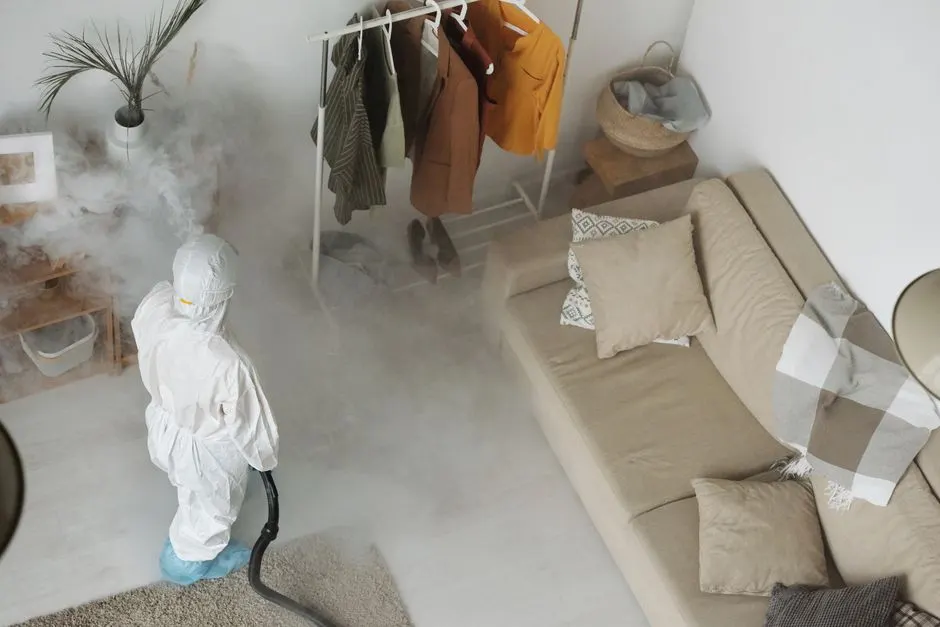 Spray Foam Removal Near MeIf you are searching for spray foam removal near me, we cover every Grimsby postcode and the surrounding villages. Same crew, same fixed pricing, whether you are in East Marsh or out at Keelby. Book a loft survey and we will confirm the scope on site.Explore →
 Same Day Spray Foam RemovalWhen a lender deadline or a house sale is pressing, our same day spray foam removal gets a technician to your Grimsby property within hours. We survey, quote and, where access allows, begin the strip-out the same day to keep your chain moving.Explore →
 24/7 Spray Foam RemovalWater pouring through a foam-blocked roof does not wait for office hours. Our 24/7 spray foam removal line covers Grimsby and North East Lincolnshire around the clock, so you can get an emergency assessment and a plan in place before the damage spreads.Explore →
 Residential Spray Foam RemovalHouses are our bread and butter. Residential spray foam removal across Grimsby covers semis, terraces, bungalows and detached homes, with dust control, tile protection and a written report you can hand to a valuer or buyer.Explore →
 Commercial Spray Foam RemovalWe strip foam from commercial roofs, workshops and light industrial units around Grimsby and Immingham. Work is scheduled around your operating hours, with RAMS provided in advance and waste removed under a licensed carrier note.Explore →
 Loft Spray Foam RemovalLoft spray foam removal is the most common job we do in Grimsby. We clear foam from between rafters, clean the timbers and restore airflow so your loft stops sweating through winter. Most lofts are finished in two days with no mess in the house.Explore →
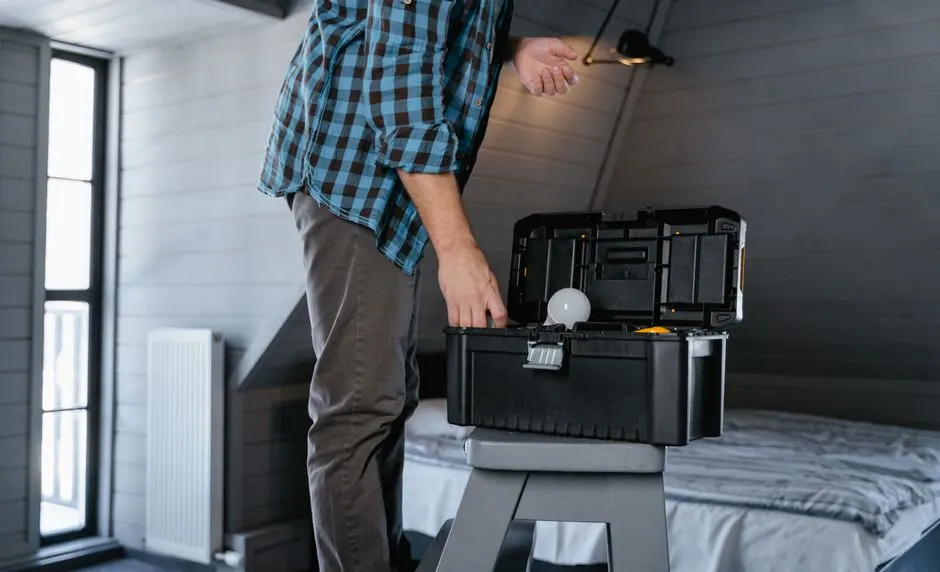 Attic Spray Foam RemovalOlder Grimsby properties often have attic spaces with awkward access and low headroom. Our attic spray foam removal uses compact cutting tools and a boroscope camera to work safely in tight voids, and we bag everything for removal through the hatch.Explore →
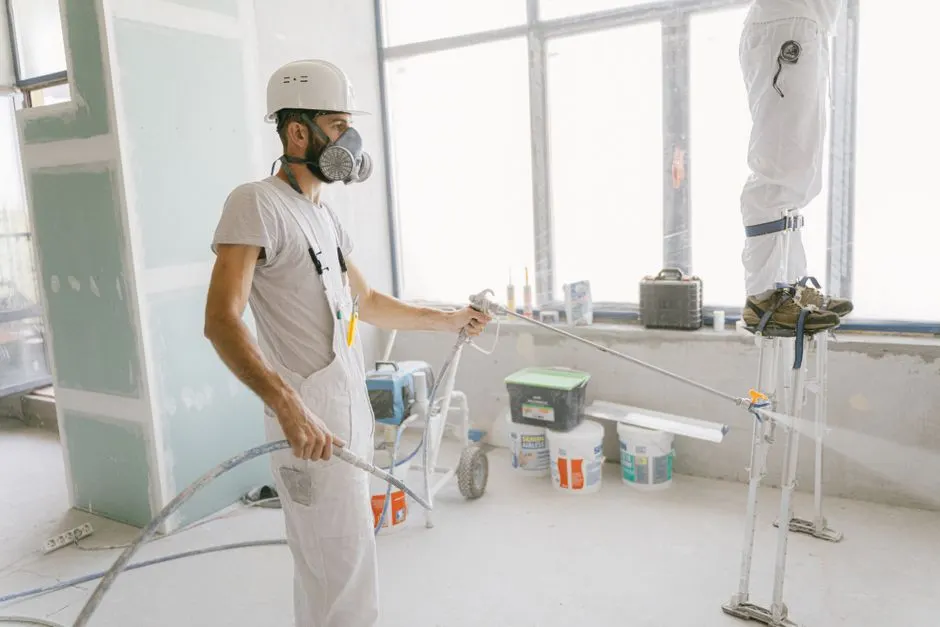 Spray Foam Insulation RemovalSpray foam insulation removal covers all foam types, including hybrid sprays and partial coverage. We assess what is there, remove it cleanly and leave the roof void ready for a breathable insulation system such as Thermafleece or Rockwool.Explore →
One call gets you a loft survey, a fixed written price and a realistic start date. We are CHAS accredited, fully insured and we clear every bag off site. If a lender or buyer is waiting on answers, tell us the deadline and we will work to it.
Get a fixed quote 0147 246 0146 →Ring us on 0147 246 0146 between 8am and 6pm, Monday to Friday, and we will book a survey at a time that suits you. Most Grimsby postcodes get a same-week appointment, and urgent mortgage deadlines are usually accommodated within 48 hours. If you prefer, email [email protected] with a photo of your loft and we will give you an initial view before we visit.