Mortgage refused because of spray foam on the roof
We remove the foam, inspect the timbers and provide the written report your lender needs to reinstate the offer. Most Grimsby clients are back on track within a week of the survey being updated.
Mortgage Lender Spray Foam Removal in Grimsby is the fast route past a failed building survey. Lenders flag spray foam because it hides timber decay and traps moisture, and that stops offers dead. We cut out open cell foam, closed cell foam and polyurethane foam from lofts, roofs and cavity walls, then document every step so your lender signs off. Most jobs in Grimsby and Cleethorpes finish inside two days.
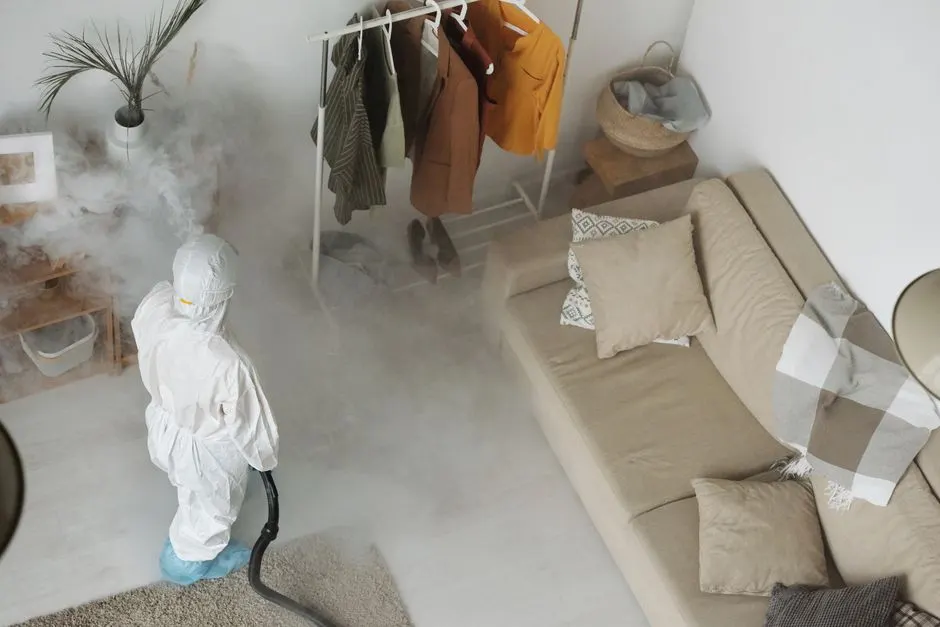
Mortgage Lender Spray Foam Removal in Grimsby is the controlled extraction of spray foam insulation from roof voids, lofts and cavity walls so a property can pass a mortgage valuation. We cut the foam back with a spray foam cutting saw and oscillating multi-tool, pull it out with an industrial vacuum, then inspect the timber underneath with a boroscope camera and moisture meter. If the foam has trapped damp, we treat the timber before anything goes back.
Lenders in North East Lincolnshire refuse mortgages on spray foam because it blocks ventilation and hides roof rot. Grimsby's older terraces around East Marsh and West Marsh are the usual casualties, especially where closed cell foam was sprayed directly onto timber roof tiles. If you have had a mortgage approved spray foam removal Grimsby survey flagged as a condition of lending, we can usually get a report to your lender within 48 hours of finishing.
Every mortgage lender spray foam removal job in Grimsby includes the survey, the extraction, the timber inspection and the written report your lender needs. We do not charge extra for documentation or disposal. If the foam has caused rot, we quote treatment separately before doing any work.
We measure foam coverage, identify open cell or closed cell foam, and check for damp with a moisture meter. You get a fixed price and a clear summary of what your lender will need to see before we start work.
Foam is cut with a spray foam cutting saw and oscillating multi-tool, then extracted with an industrial vacuum. We seal the work area and run an air scrubber throughout so dust does not spread through your home.
With the foam gone we inspect rafters, roof tiles and the breathable membrane using a boroscope camera and moisture meter. Any rot or damp is photographed and logged in the report.
You receive a written report with before and after photographs, moisture readings and a statement that the void is clear and ventilated. It is formatted so your lender can update the valuation without sending another surveyor.
All foam and debris is bagged, removed from site and disposed of responsibly. We can also advise on breathable replacement insulation such as Thermafleece or Rockwool where the roof design allows it.
We inspect the loft or roof void, measure the foam coverage, and check for damp with a moisture meter. You get a fixed price the same day, plus a written summary of what the lender will need to see. Most surveys take 45 minutes.
Before any cutting starts we seal the work area with sheeting and set up an air scrubber and industrial vacuum. Respirators and protective clothing go on, and we protect floors, wiring and anything stored in the loft. Setup takes about an hour.
We cut the foam into manageable sections with a spray foam cutting saw and oscillating multi-tool, then pull it out with the vacuum. Open cell foam comes away quickly; closed cell foam takes longer. A typical Grimsby loft takes one to two days.
With the foam gone we check every rafter and roof tile with a boroscope camera and moisture meter. Any rot or damp is logged with photographs. If treatment is needed, we handle it before the void is closed up.
You receive a written report with before and after photographs, moisture readings and a statement that the void is clear and ventilated. Send it to your lender and they can update the valuation. We walk you through the findings before we leave.
Purpose-built equipment, used by trained technicians — so the job is done accurately the first time.
Cuts closed cell and open cell foam into manageable sections without damaging the rafters underneath. It is the fastest way to break down heavy foam coverage in a Grimsby loft.
Gets into corners, around roof trusses and along the eaves where a saw will not reach. Essential for a clean finish on older Grimsby roof structures.
Captures foam dust at the source and filters the air in the work area. We run both throughout every extraction so dust does not spread through your home.
Inspects hidden timbers and measures moisture content before and after removal. The readings go into your lender report as evidence the void is sound.
Removes foam residue from rafters and hard surfaces without abrasion. Used where foam has bonded tightly and a clean timber finish matters for the lender's inspection.
Strips stubborn foam from brickwork and hard-to-reach surfaces. Always used with full containment and dust control on Grimsby jobs.
Standard kit for every technician on site. Spray foam dust and chemical residue are not something to take chances with, and we kit out the full team.
A three-bedroom terrace in East Marsh had closed cell foam sprayed across the entire roof underside. The building survey flagged it and the lender refused the mortgage. Moisture readings on the rafters were high and two timbers showed early rot.
We removed the foam over two days, treated the two affected rafters and restored airflow through the void. Moisture readings dropped to normal within a week. The written report went to the lender and the mortgage offer was reinstated.
A loft conversion in Scartho had open cell foam sprayed between the rafters. The homeowner was remortgaging and the lender asked for evidence the roof structure was sound. There was no visible rot, but ventilation was poor and condensation had started to form.
We extracted the foam in a single day, inspected every rafter with a boroscope camera and confirmed the timbers were dry and sound. The report satisfied the lender and the remortgage completed without a second survey.
A buyer in Cleethorpes was two weeks from completion when the survey flagged spray foam on the roof tiles. The seller had no documentation and the lender would not proceed. Damp readings were borderline and the buyer was ready to walk away.
We cleared the foam over two days, treated minor damp on three tiles and provided a full report with before and after photographs. The lender accepted the documentation and the purchase completed on the original date.
Spray foam causes more mortgage problems in Grimsby than any other insulation issue. These are the ones we see most often, and what happens if they are left alone.
Ask a pro →We remove the foam, inspect the timbers and provide the written report your lender needs to reinstate the offer. Most Grimsby clients are back on track within a week of the survey being updated.
Our extraction process exposes every rafter. We check with a boroscope camera and moisture meter, treat any rot we find, and document the condition of the roof structure for your lender.
Once the foam is out and the void is ventilated, you can answer those questions honestly and get cover back. We provide photographic evidence of the cleared void for your insurer.
Removing the foam restores airflow through the roof void. We check moisture levels before and after, and advise on breathable insulation options that will not recreate the problem.
Typical 2026 pricing in Grimsby runs from 900 to 3,200 pounds depending on the area covered and whether the foam is open cell or closed cell. A single loft averages 1,200 to 1,800 pounds. Closed cell foam on a full roof, common in older East Marsh terraces, sits at the top of the range. The survey and written report are included in the price.
Yes, in almost every case. Lenders want the foam gone, the timbers inspected and the void ventilated, and our report documents all three. We include before and after photographs and moisture readings so your lender can update the valuation without sending another surveyor. If your lender asks for anything extra, we provide it at no additional cost.
If your building survey has flagged spray foam, or your lender has made removal a condition of the mortgage, then yes. Most high street lenders now refuse properties with spray foam applied to the roof structure. Removing it is usually the fastest way to get the offer reinstated, and it is often cheaper than waiting for a buyer to walk away.
A standard loft takes one to two days from setup to handover. Larger roofs or heavy closed cell foam can run to three days. We give you a realistic timeline at the survey, not an optimistic one, and we stick to it. The written report follows within 48 hours of finishing so your lender is not left waiting.
Spray Foam Removal Near MeIf you need spray foam removal near me in Grimsby, this is the core service behind every mortgage job we do. We cover lofts, roofs and cavity walls across North East Lincolnshire, with the same controlled extraction and lender-ready reporting on every visit.Explore → Same Day Spray Foam RemovalMortgage deadlines move fast, so we run same-day spray foam removal across Grimsby when a lender needs the work done quickly. Call before noon and we can often survey the same afternoon and schedule extraction within 24 hours.Explore →
 24/7 Spray Foam RemovalWhen a completion date is at risk, our 24/7 spray foam removal line stays open. We handle urgent mortgage lender spray foam removal in Grimsby outside normal hours, so a lender's condition does not push your purchase past the deadline.Explore →
 Residential Spray Foam RemovalMost mortgage lender spray foam removal in Grimsby happens in homes, from terraces in East Marsh to semis in Scartho. We work cleanly around your belongings, seal the work area and leave the loft ready for inspection.Explore →
 Commercial Spray Foam RemovalCommercial buildings with spray foam can hit the same lending problems as houses. We handle commercial spray foam removal across Grimsby and Immingham, working around tenants and trading hours to get the void cleared and documented.Explore →
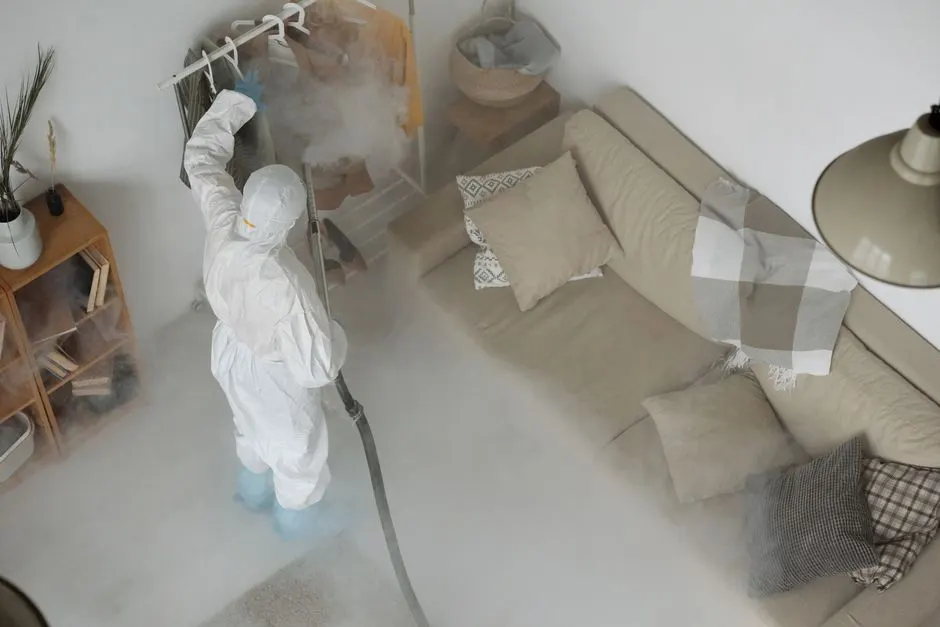 Loft Spray Foam RemovalLofts are where most mortgage lender spray foam removal in Grimsby starts. We cut out open cell and closed cell foam, inspect the rafters and roof tiles, and restore ventilation so the loft passes a lender's inspection.Explore →
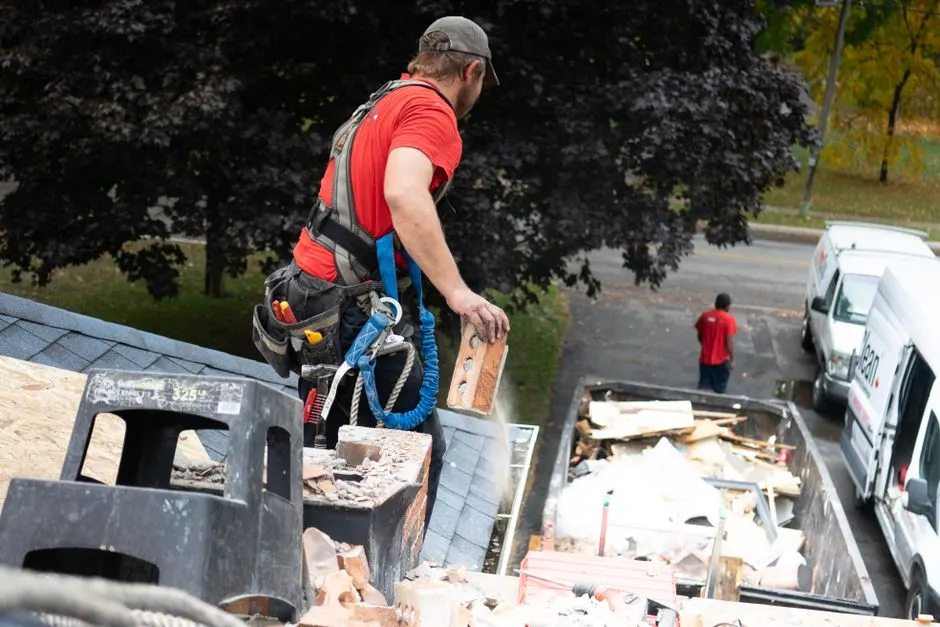 Roof Spray Foam RemovalFoam sprayed directly onto timber roof tiles is the most common cause of mortgage refusal in Grimsby. Our roof spray foam removal service clears the foam, checks the tiles for rot and gives you the report your lender needs.Explore →
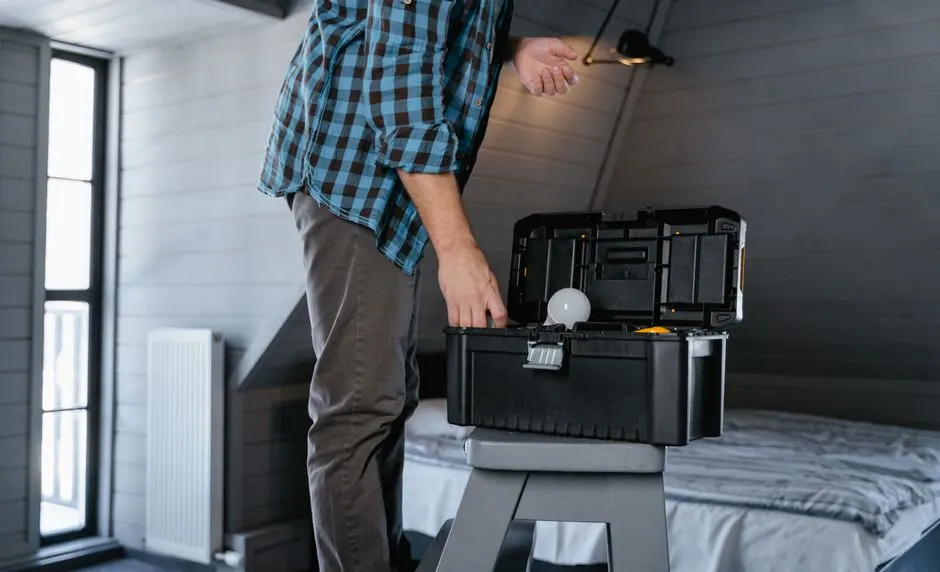 Attic Spray Foam RemovalAttic spray foam removal follows the same process as a loft job, with extra care around tight access and older roof structures. We clear the foam, inspect the timbers and document everything for your lender.Explore →
Your lender will not wait, and neither should you. Call 0147 246 0146 and we will book a survey, give you a fixed price and clear the foam so your mortgage can move forward. Fixed price, written report, no surprises.
Book a survey 0147 246 0146 →Ring us on 0147 246 0146 between 8am and 6pm, Monday to Friday, and we will book a survey at a time that suits you. Most Grimsby postcodes get a same-week appointment, and urgent mortgage deadlines are usually accommodated within 48 hours. If you prefer, email [email protected] with a photo of your loft and we will give you an initial view before we visit.